Plants
Botanical Coloring Pages
Real species with the vein structure drawn in and the common name printed at the bottom of the sheet. Fine enough for pencils, forgiving enough to finish in one sitting. Plant and flower pictures to color, drawn at a fine adult line weight.
Every botanical design in this set
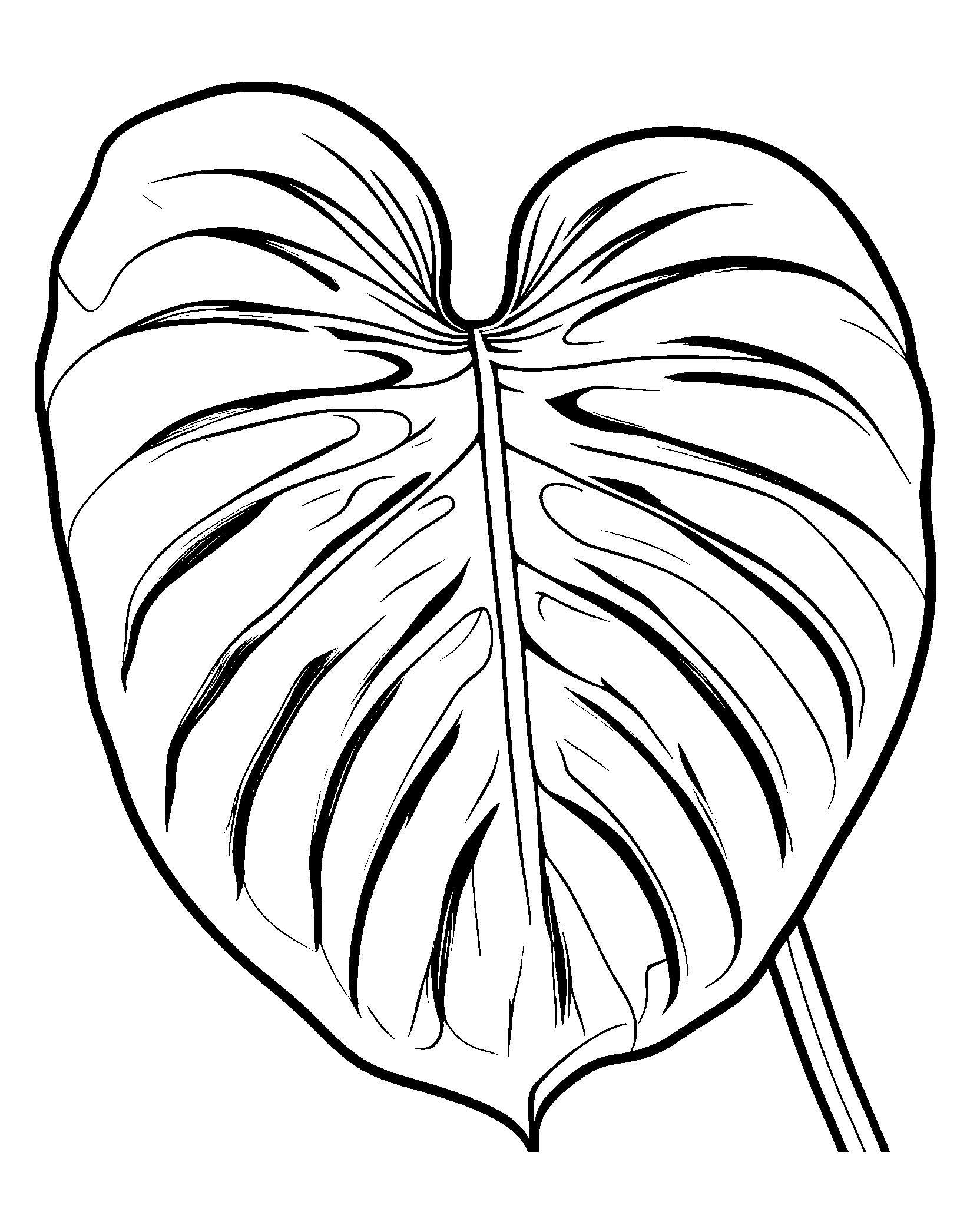
Monstera Leaf
Split edges and drawn veins — the page with the largest individual colour areas.
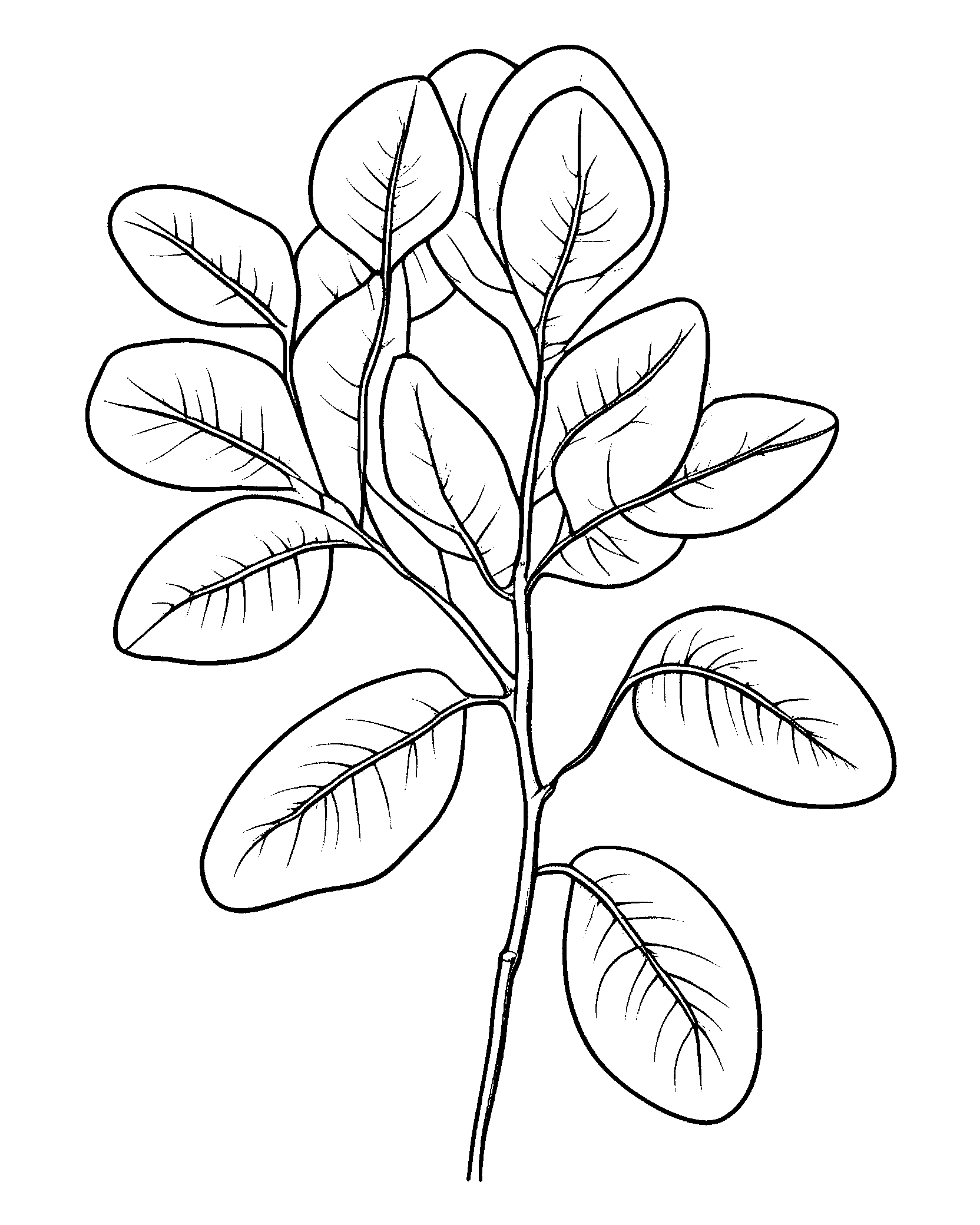
Eucalyptus Sprig
Alternating round leaves on a curved stem, drawn to be filled one by one.
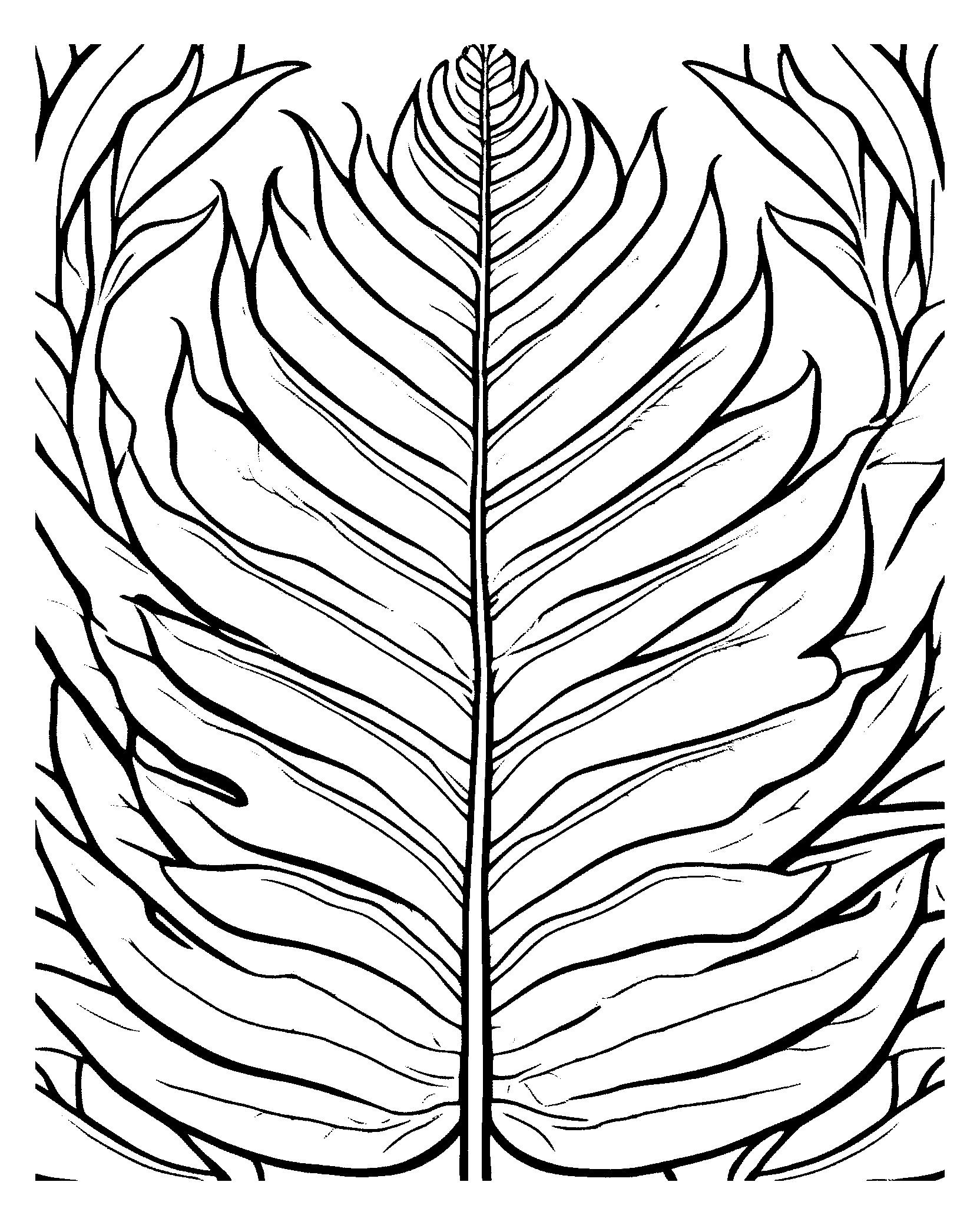
Fern Frond
Paired leaflets along a centre stem — the most repetitive page here.
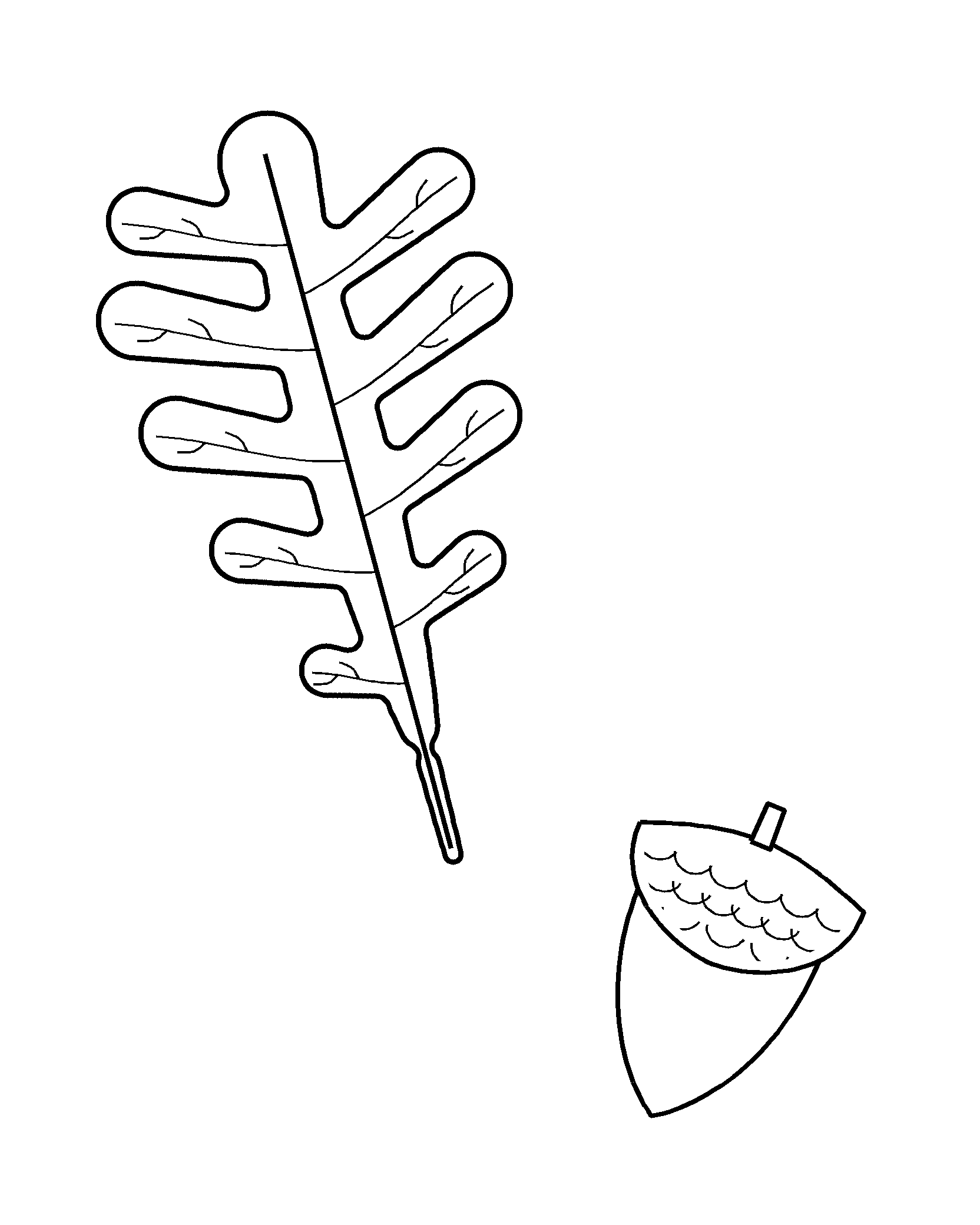
Oak Leaf and Acorn
Lobed edges plus an acorn, for the family that collects them.
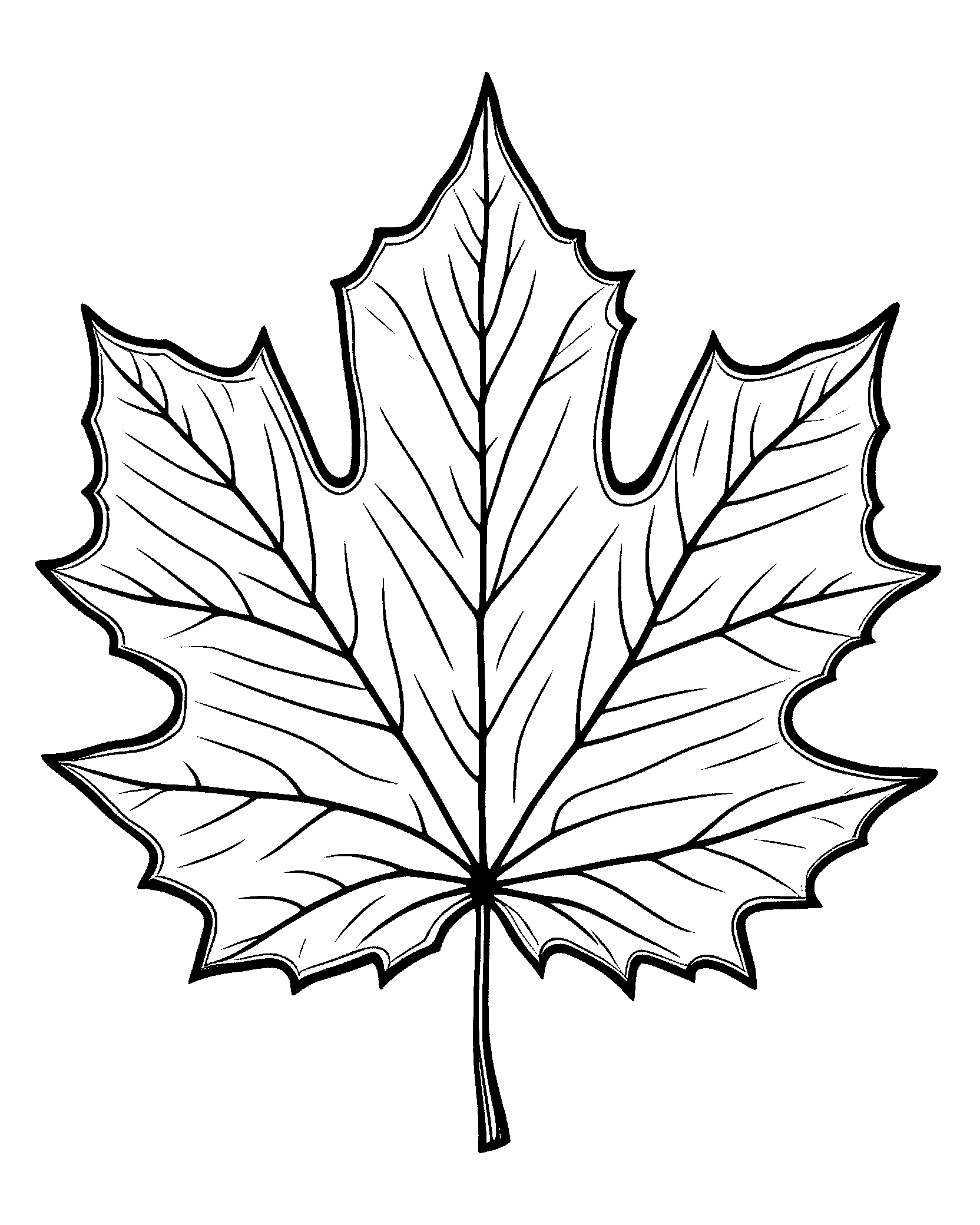
Maple Leaf
Five pointed lobes with radiating veins — the autumn page.
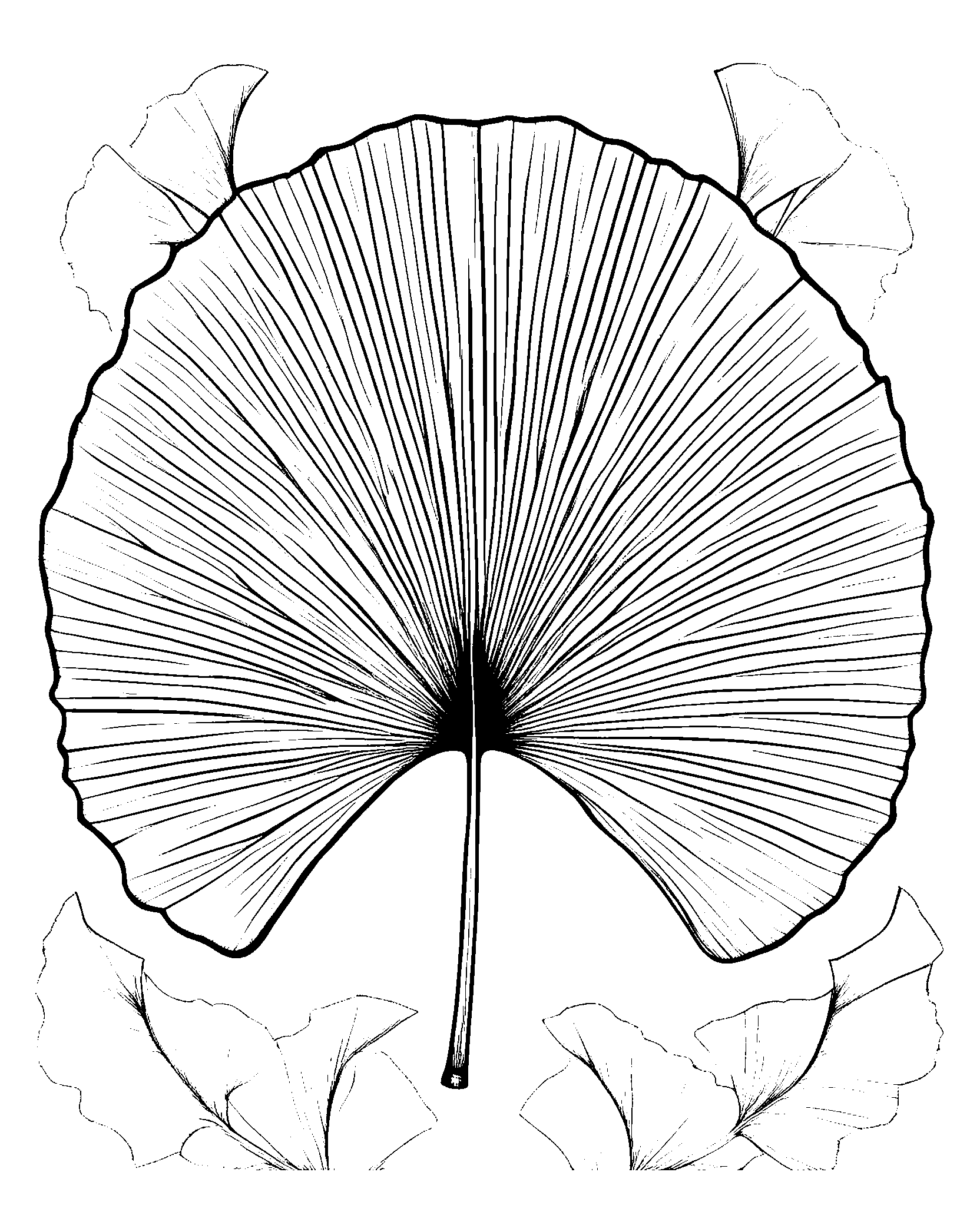
Ginkgo Fan
A fan shape with fine radiating lines, good for a two-colour gradient.
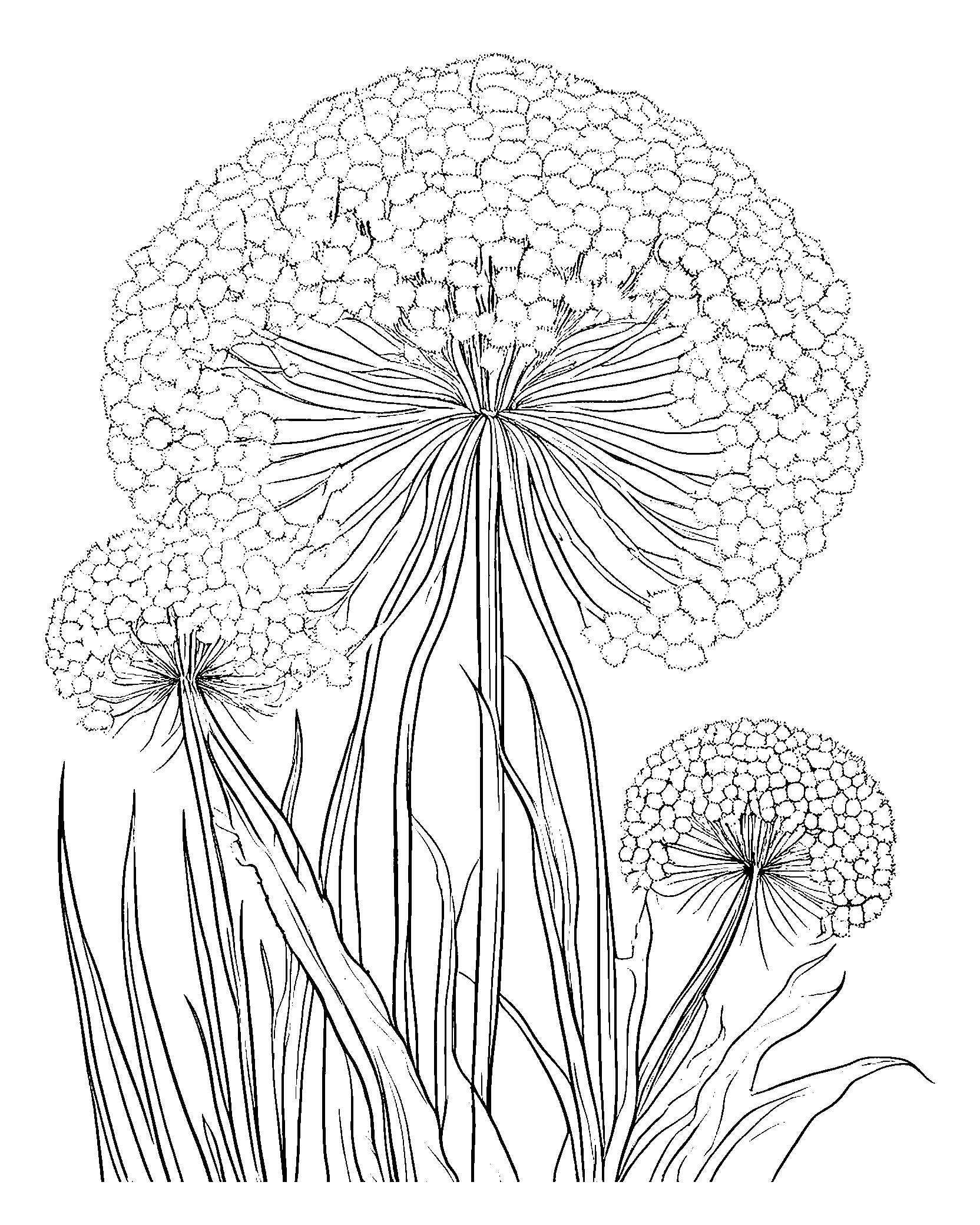
Wild Carrot Umbel
Many small florets on thin stems — the densest page in the set.
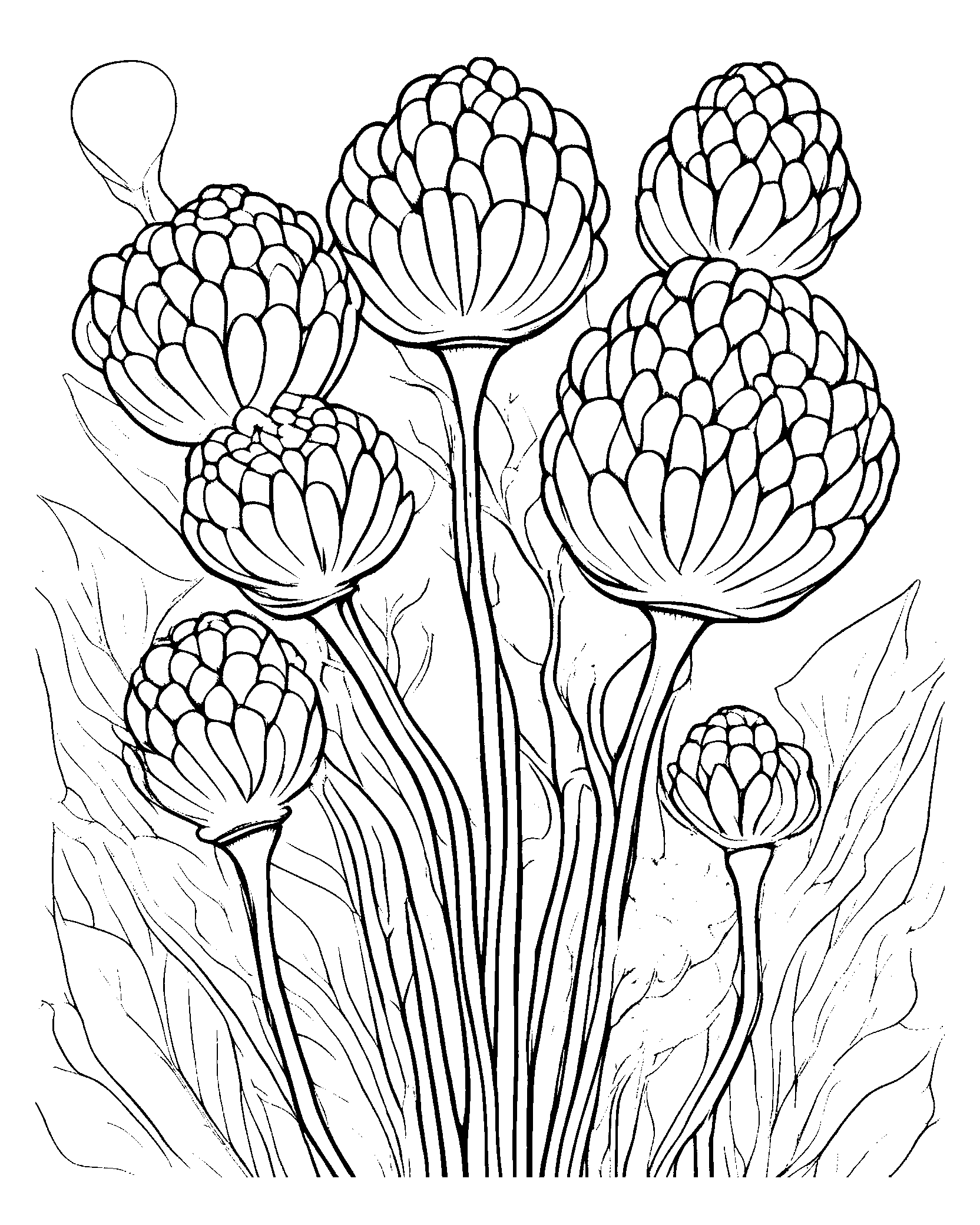
Seed Head
Overlapping pods in a cluster, with the stem left plain.
Leaves are the most forgiving subject
A botanical page has no symmetry to protect and no face to get right. A leaf can be slightly wrong and still look like a leaf, which is why these are the pages people finish when they are not in the mood for a mandala.
Every drawing here is a recognisable species, with the common name printed small at the bottom of the sheet. That single line turns a colouring page into something a child can take outside and match.
Drawing from the real thing
Monstera, eucalyptus, fern, oak, maple, ginkgo, wild carrot and a generic seed head. The vein structure is drawn, not suggested, because the veins are what give you something to colour — a leaf outline with nothing inside is a five-minute page.
Pencils build the greens, markers cannot
Greens are where pencils win. Layer a yellow-green under a blue-green and you get the colour of an actual leaf. A marker gives you one flat green per leaf, which is fine for a poster and wrong for a botanical page.
If you are using markers anyway, print on 32 lb — the weight advice is on best paper for printing coloring pages.
Printing
Print at 100% / Actual size with Fit to page off. These pages have a border, and a scaled print puts an uneven white margin around it. Full steps on how to print coloring pages.
Where to go next
The grown-up collection starts at adult coloring pages. If you want pattern, mandala; if you want even fields with no subject at all, mindfulness. For children, the four seasons tree puts the same subject in a school-friendly format.
Questions parents and teachers ask
Are the plants real species?
Every drawing is a recognisable species with its common name printed small at the bottom of the sheet, so it can be matched to a real plant.
Pencils or markers for leaves?
Coloured pencils. Layering a yellow-green under a blue-green gives the colour of a real leaf; a marker gives one flat green.
Which plants are included?
Monstera, eucalyptus, fern, oak, maple, ginkgo, wild carrot and a seed head — and the vein structure is drawn in, because the veins are what you colour.
Can I print these as pictures to color?
Yes. Every botanical page here is a picture to color in its own right: tap A4 or US Letter and you get one drawing on one sheet, centred with even margins. Print it once at home or thirty times for a class.