Animal colouring pages
Animal Colouring Pages, Free to Print
One animal per page, in the order people ask for them — cats, dogs, horses, rabbits, butterflies, farm animals, wild animals, sea creatures — each on A4 or US Letter. Animal pictures to colour, each one its own printable page.
Every animal design in this set
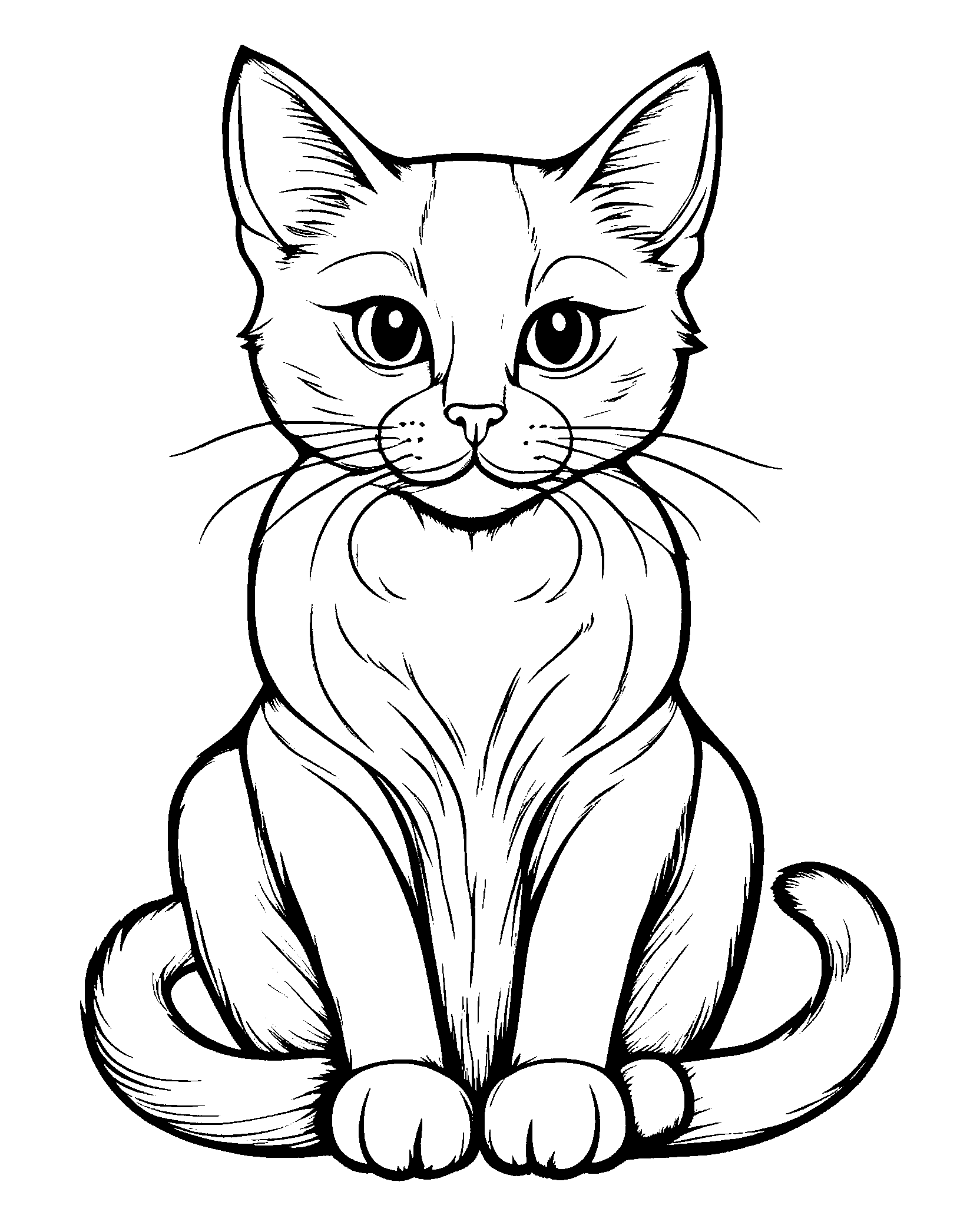
Cat Collection
Sitting cat with upright ears, separate whiskers and a tail curled round its paws.
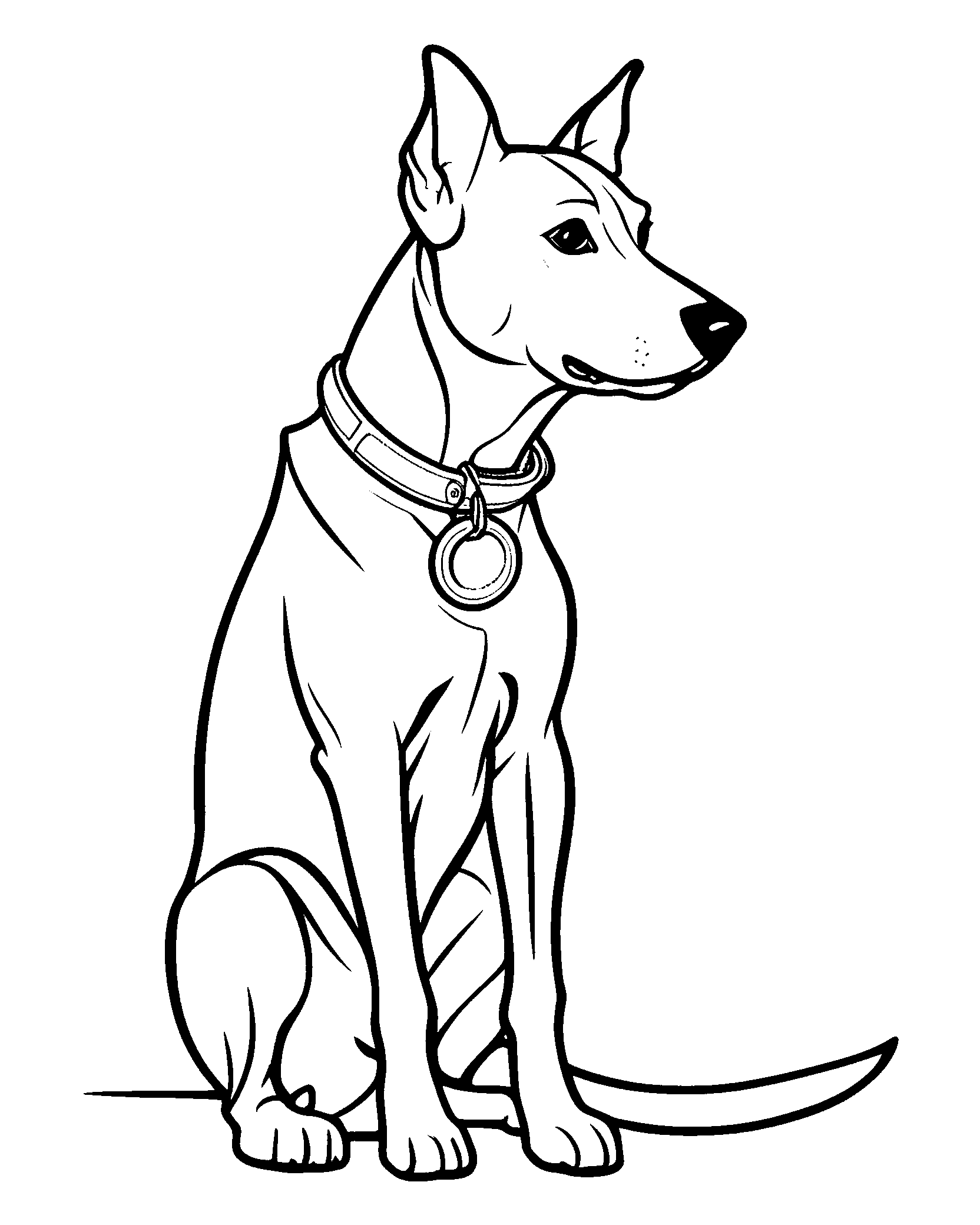
Dog Collection
Dog in profile with a flopped ear, a collar tag and paws together.
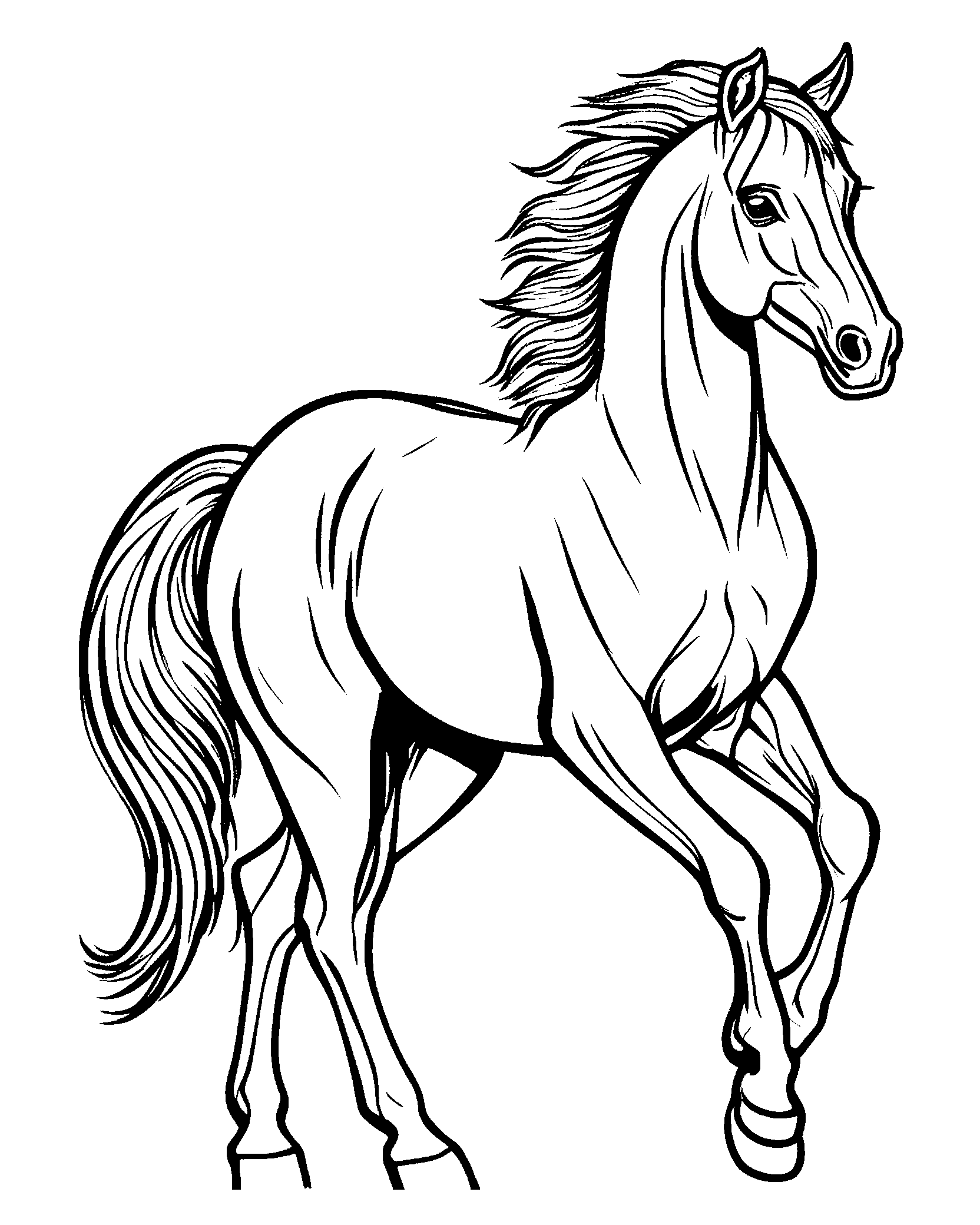
Horse Collection
Horse side on, mane and tail as separate strands, legs mid-walk.
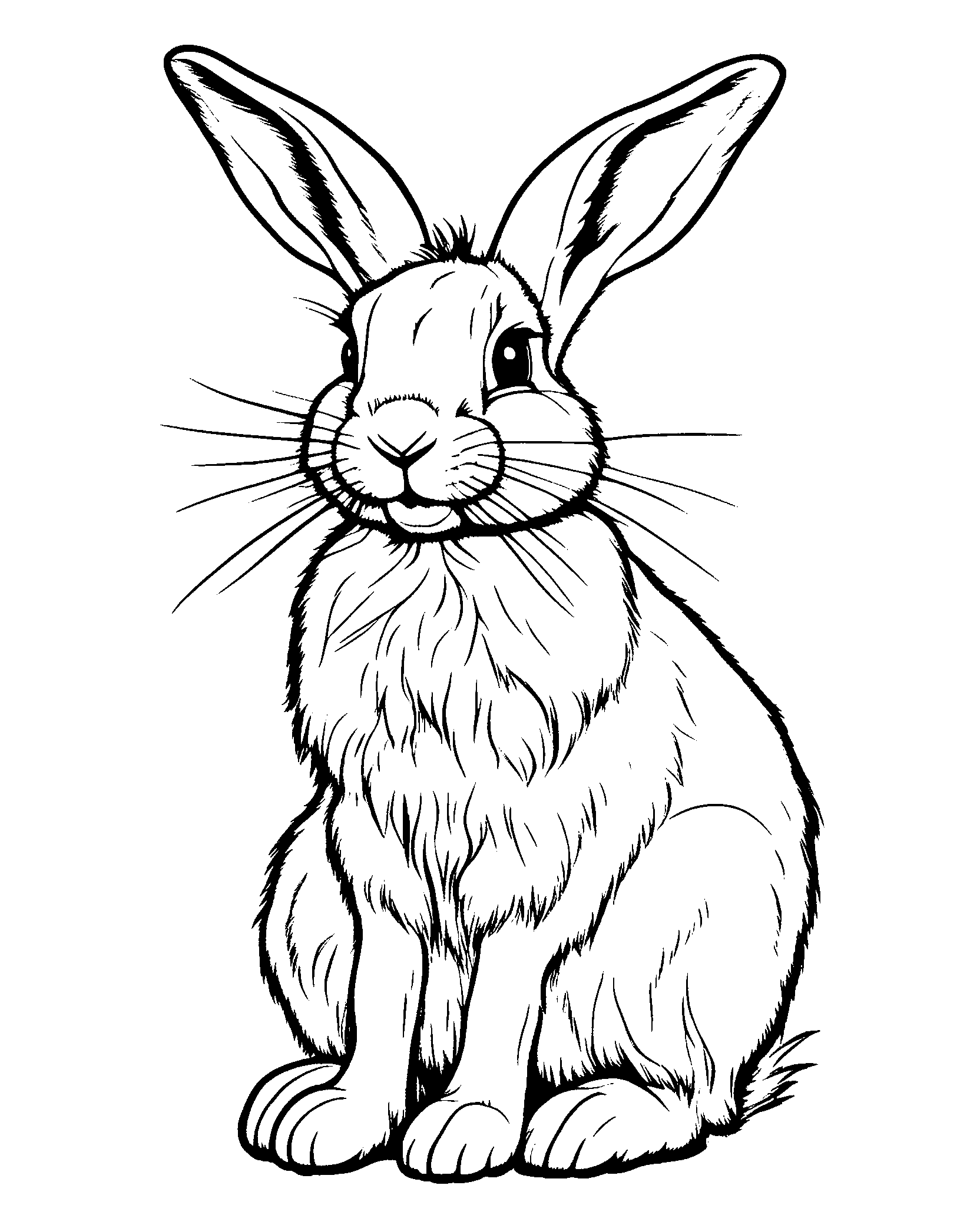
Rabbit Collection
Upright rabbit with one paw raised and a round tail behind.
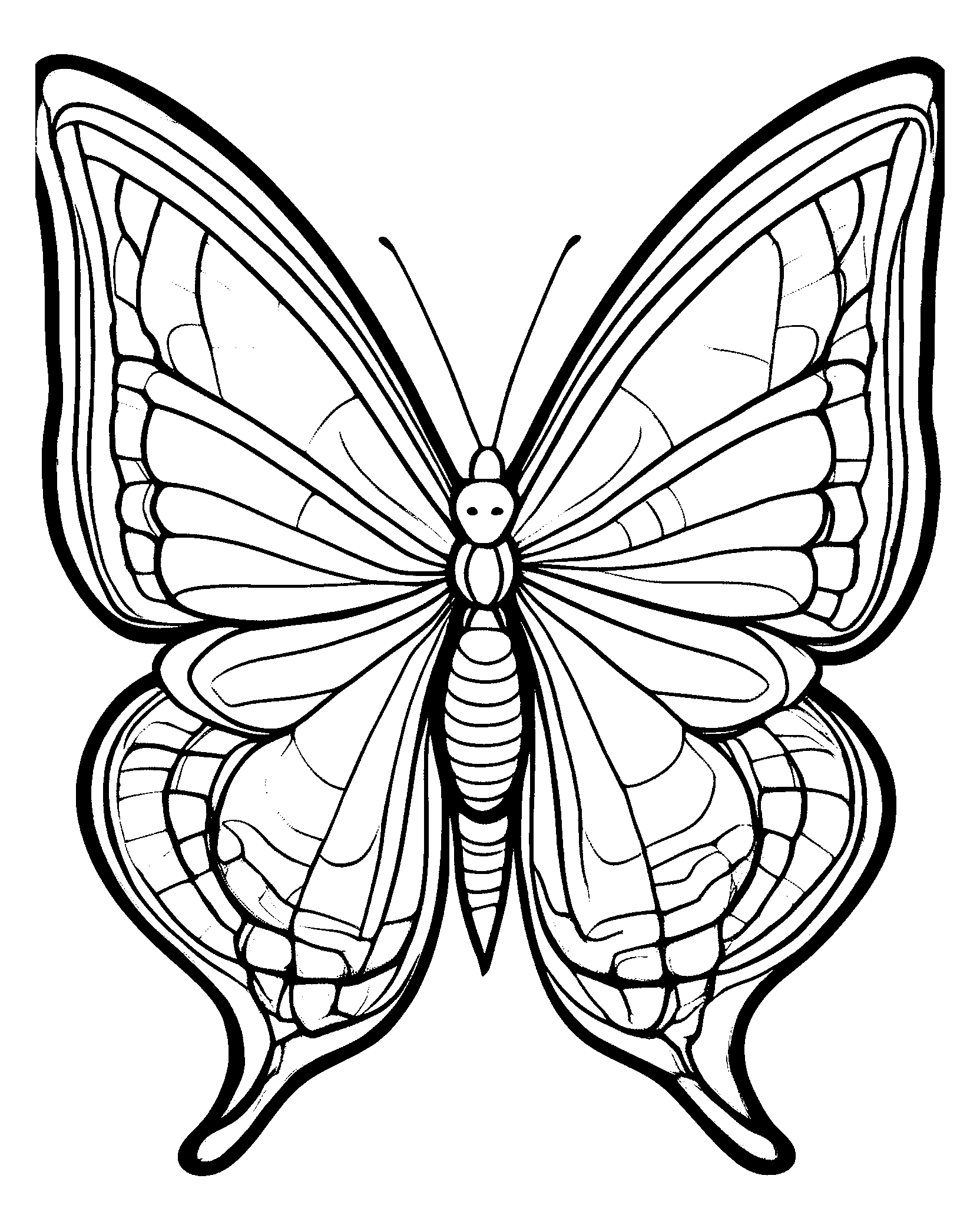
Butterfly Collection
Butterfly with fully spread wings and symmetrical patterns inside each.
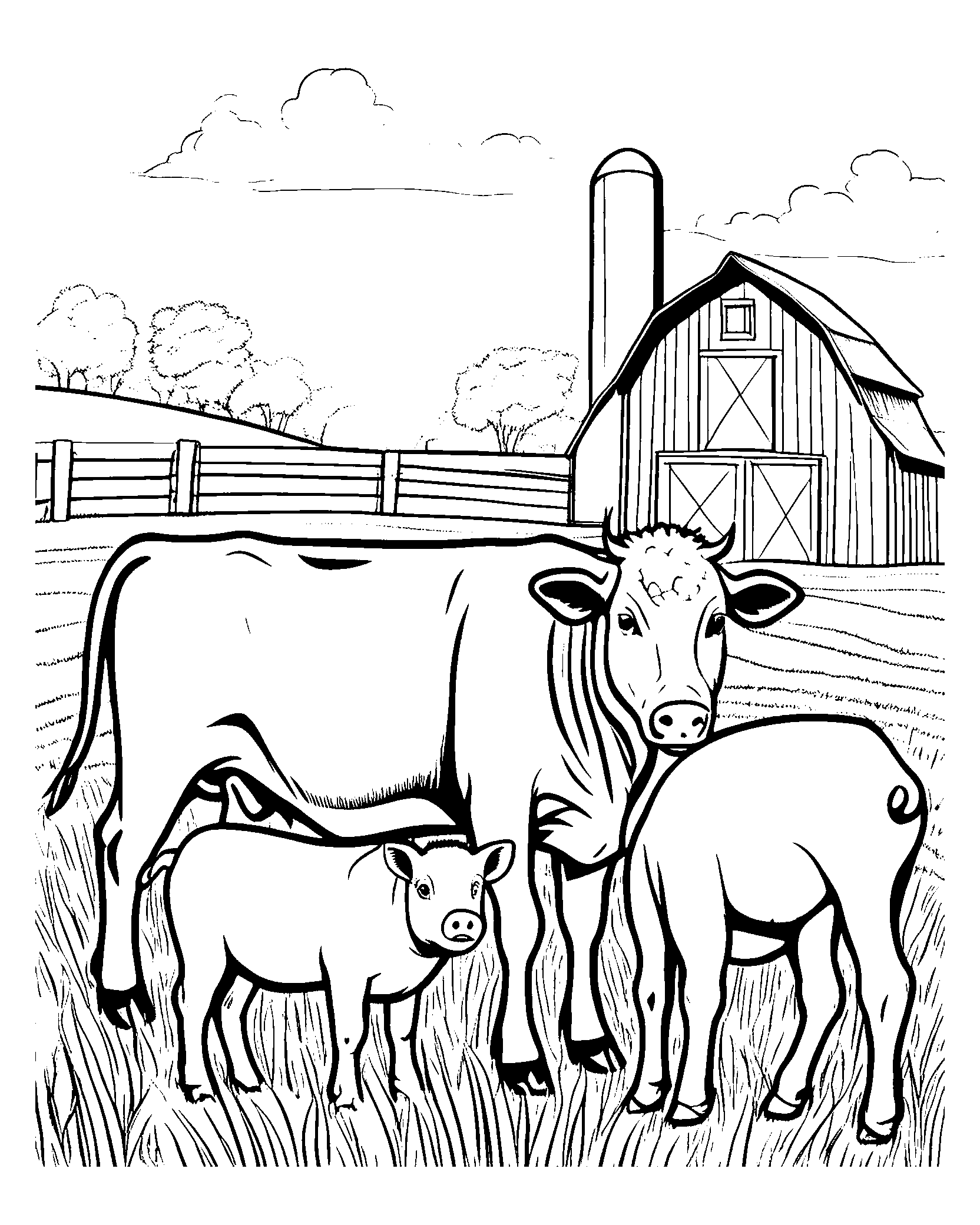
Farm Animals
Cow, pig and sheep in a row on a grass line, a barn behind.
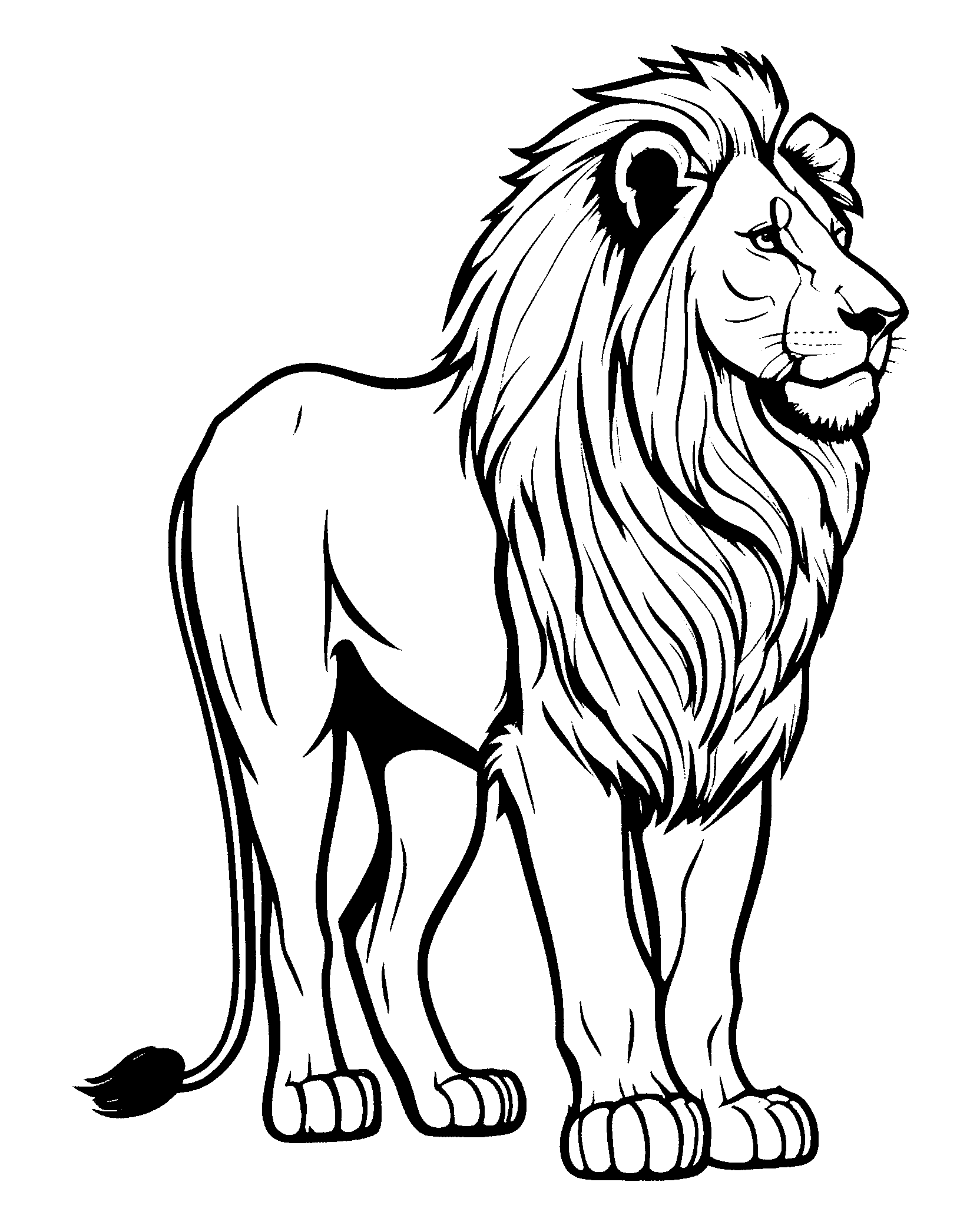
Wild Animals
Lion in profile with a layered mane and a tufted tail.
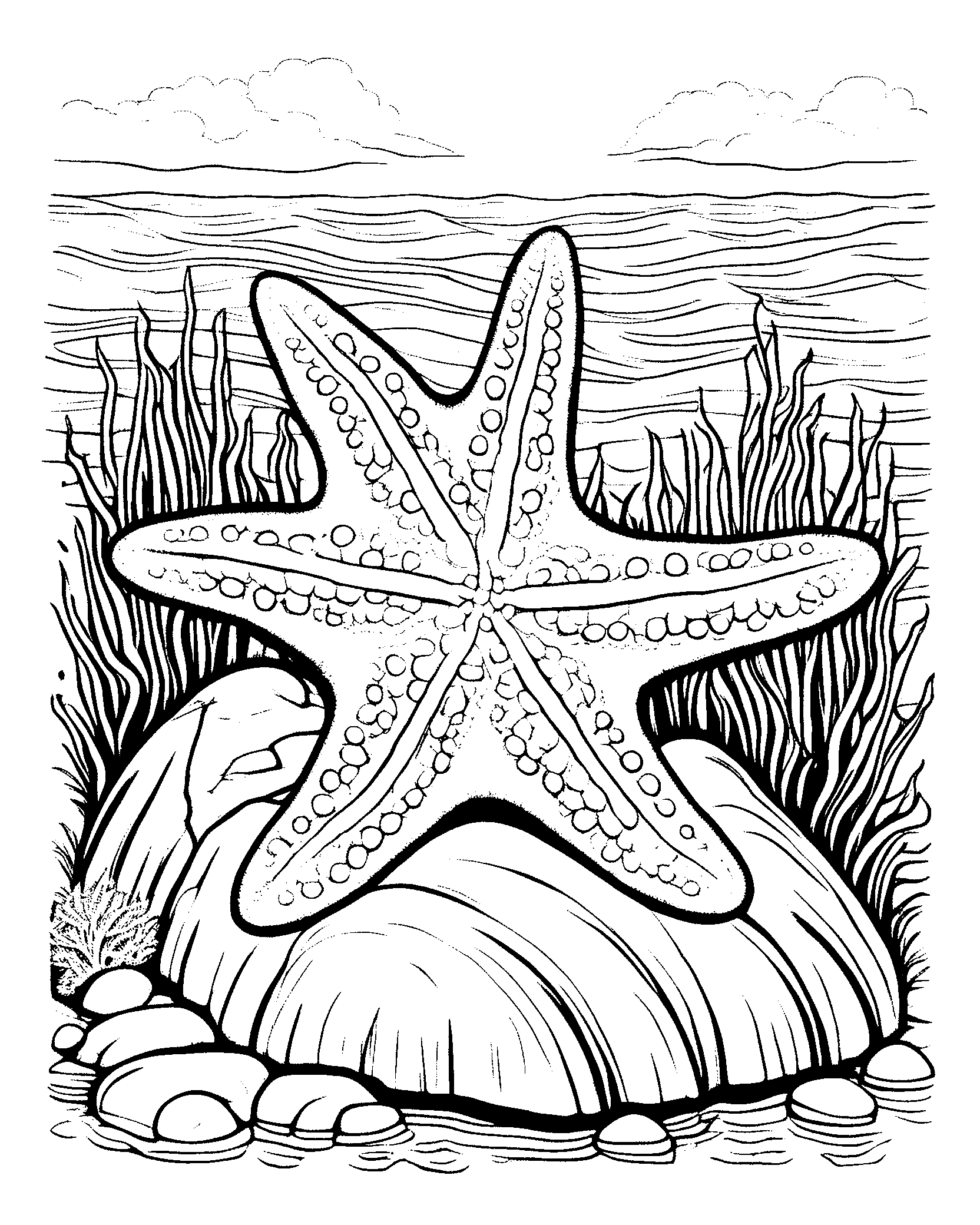
Sea Creatures
Starfish on a rock with five bumpy arms, two shells and seaweed.
One animal per page, on purpose
A search for animal colouring pages almost always means a specific animal. A child wants a horse, not a farmyard. A parent wants the cat, not a page of four pets. So every page here carries exactly one animal, and the index is long rather than dense.
That is also why this shelf is organised as eight separate pages instead of one grid of thirty-two drawings. It is faster to find the horse, and it means a parent printing one page does not download a thirty-two page bundle first.
The animals that actually get requested
The order is not alphabetical, it is by how often the request happens: cats, then dogs, then horses, then rabbits, then butterflies and insects, then farm animals, then wild animals and finally sea creatures.
Farm animals come lower than people expect. In practice a farm animal page gets printed for a topic at school rather than for the animal itself, so the drawings there are grouped — a cow next to a pig next to a sheep — rather than drawn one per page.
Line weight, and why it changes per animal
The cat, dog and rabbit pages use the heaviest outlines in the library, because they are the pages a four-year-old asks for. The butterfly and insect pages use thinner lines, because the whole point of a butterfly is the pattern inside the wing, and a heavy outline kills it.
Horses sit in the middle. The mane and tail are drawn as separated strands rather than a solid mass — a solid mane is faster to draw and much worse to colour, because a child has no idea where to stop.
Printing
Print at 100 percent with Fit to page off. All pages carry both A4 and US Letter buttons; pick the one that matches the paper in the tray. Plain copier paper is fine for crayons and pencils, and 32 lb or light cardstock if you are using markers.
Where to go next
The full index is on the colouring pages hub, and the American spelling of this same collection is at animal coloring pages. For children who have moved past animals, the castle colouring pages and the truck colouring pages use the same line weight.
Questions parents and teachers ask
How are the animals organised?
One animal per page, in the order people ask for them: cats, dogs, horses, rabbits, butterflies, farm animals, wild animals and sea creatures. A child who wants the horse gets the horse, not a farmyard.
Do different animals have different line weights?
Yes. Cats, dogs and rabbits use the heaviest outlines in the library because a four-year-old asks for them. Butterflies use much thinner lines, because the pattern inside the wing is the point and a heavy outline kills it.
How should I print these?
Print at 100 percent with Fit to page off, and pick the A4 or US Letter button that matches the paper in the tray. Plain copier paper is fine for crayons; use 32 lb paper for markers.
Is there a limit on how many I print?
No. There is no account, no email and no download limit. Printing thirty copies for a classroom is exactly what these pages are for.
Can I print these as pictures to colour?
Yes. Every animal page here is a picture to colour in its own right: tap A4 or US Letter and you get one drawing on one sheet, centred with even margins. Print it once at home or thirty times for a class.